Whole-house repiping in Yorba Linda

New water lines for your Yorba Linda home, in copper or PEX

When pinholes keep opening in different rooms, another patch buys you a few months. A repipe replaces every supply line from the main shutoff to the last hose bib, and in a slab house we run the new lines overhead so nothing stays buried in the concrete.

Preview site for Yorba Linda Repiping. Our phone number is a temporary placeholder and the request form is not connected yet, so nothing you send reaches us. Nothing on this page is a quote.

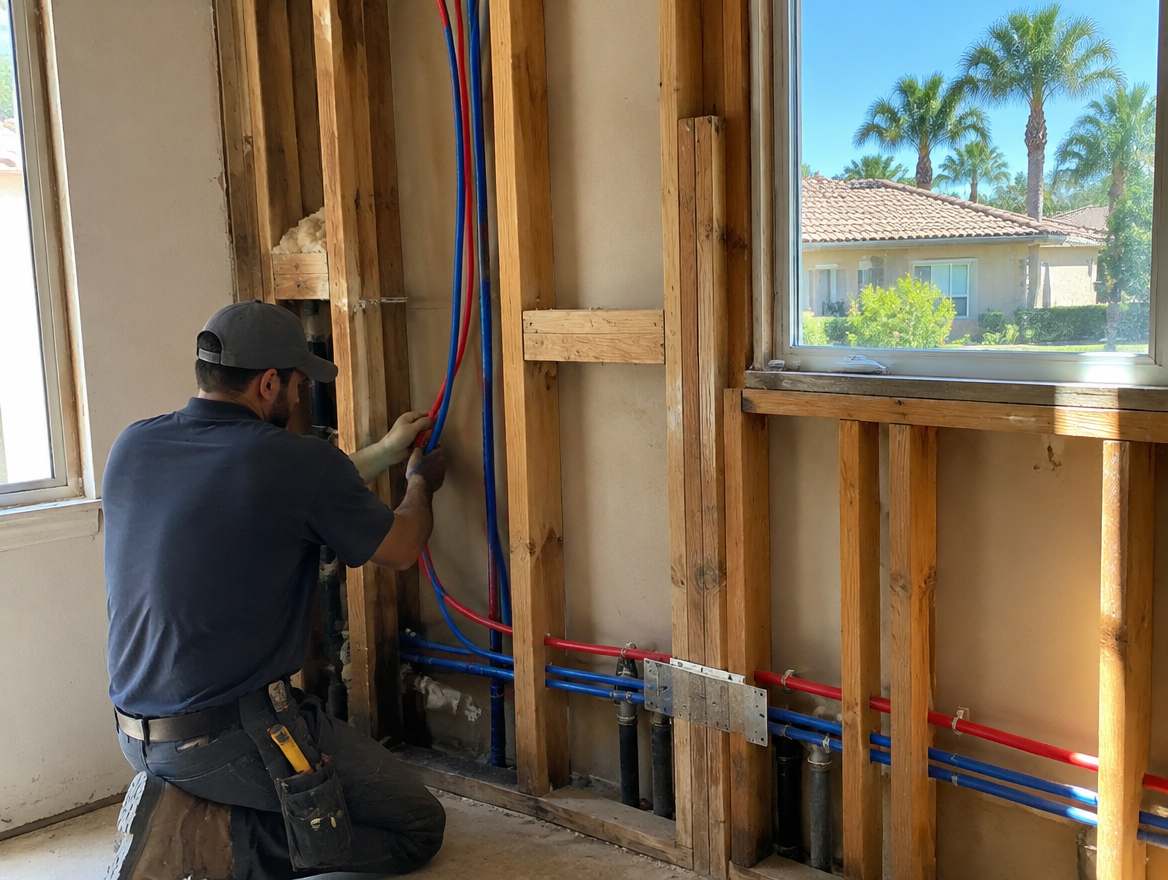
A plumber installing new PEX water lines through an open wall during a repipe
Main shutoff Water heater Kitchen Bath Laundry

Repair or repipe

One leak is a repair. Three in three rooms is the pipe.

A repipe swaps out the pressurized lines that feed your sinks, tubs, toilets and appliances. Your drains and sewer line stay as they are; they are a separate system with their own inspection.

Older Yorba Linda tract homes were plumbed in copper or galvanized steel, and decades of hard water wear that pipe from the inside out. The outside of a line can look clean while the wall underneath has thinned to nothing. A first pinhole can be bad luck. A garage leak, then a bathroom ceiling, then the kitchen wall tells you the whole run is aging at once.

You have two materials to choose from, copper and PEX, and in a slab-on-grade house the new lines go up through the attic and down the interior walls. The old lines under the floor get capped and left behind.

What worn-out supply pipe looks like from inside the house

One of these on its own proves little. Two or three together mean someone licensed should look at the pipe itself.

  • A second or third pinhole leak in copper, in a different room from the first.
  • Brown or yellow water from the first tap you open in the morning.
  • Weak flow at every fixture, even after you clean the aerators.
  • Green crust on exposed copper joints at the water heater or under sinks.
  • A warm patch on the floor a few years after a slab leak repair.
  • Dull grey pipe with threaded fittings: galvanized steel, still in service.
  • A ceiling stain under a bathroom with no roof leak to blame.

Water coming through the wall right now

Stop the water first. The repair-or-repipe decision can wait until the house is dry.

  1. Close the main shutoff. Look on the front wall where the line enters the house, or in the garage near the water heater.

  2. Flip the breaker for any outlet, light or appliance the water has reached before you touch anything wet.

  3. Open a hose bib to bleed off pressure, then photograph the wall, the stain and anything damaged.

  4. Write down every leak you remember: the room, the year, what got fixed. We will ask, and so will anyone else you call.

  5. Smell gas? Leave the house and call 911 or SoCalGas from outside. Leave light switches alone.

Pipe material

Copper or PEX, side by side

Both go into California homes every day. Your attic, your walls and your leak history decide which one fits, so treat this as the starting point for the conversation.

Topic CopperRigid metal pipe PEXFlexible tubing
What goes in the wall Rigid lengths joined with soldered or pressed fittings. Type L and Type M differ in wall thickness. Flexible cross-linked polyethylene tubing joined with crimp, clamp or expansion fittings.
Turning corners A fitting at every change of direction, so each run needs more access. Bends around framing and pulls through walls in long runs, usually with fewer openings.
Joints More fittings per run, each one made on site. Fewer joints; often a manifold feeds each fixture its own line and shutoff.
Hard water Can corrode over time depending on water chemistry. Pinholes are the known failure. Does not corrode. Minerals can still collect at fittings, valves and faucets.
Limits Open flame for soldered joints in the attic, unless the crew uses press fittings. Needs shielding from sunlight and clearance from heat sources such as flues.
Ask whoever quotes it Which type, which joining method, and why copper suits your water. Which PEX type and fitting system, and how attic runs get supported.

The job, in order

How a repipe runs, from walk-through to wall patch

Houses differ, the order rarely does. Ask us, or anyone you are comparing, to walk you through each step before you sign anything.

  1. Walk the house and map the route

    We look at the pipe you have, the main shutoff, the water heater and every fixture, then sketch where the new lines will travel. In a slab house that means up into the attic and down the interior walls.

  2. Pick copper, PEX or a mix

    You choose the material. It decides how many walls get opened, how the lines are supported in the attic, and what connects at the water heater.

  3. Pull the permit, cover the floors

    Most repipes need a building permit; the City of Yorba Linda can tell you what applies at your address. Floors and furniture near each opening get covered before anyone cuts drywall.

  4. Run the new lines beside the old

    The new system goes in while the old one still feeds the house, so you keep water through much of the job. Lines under the slab get capped and left in place.

  5. Switch over and pressure test

    Each fixture moves to the new lines. The whole system holds test pressure, and if a permit was pulled, the city inspector signs off before any wall closes.

  6. Patch the openings

    Drywall goes back in. Get it in writing whether texture and paint come with it, because that line is where two quotes usually split apart.

Four situations that put a repipe on the table

Illustrative situations, not customer stories.

The third pinhole

Garage wall, then a bathroom ceiling, then the kitchen. Original copper, three patches, three drywall repairs. The fourth repair and a repipe now sit side by side, and the cut pipe from the last fix shows pitting all the way around.

Rust in the morning glass

Galvanized steel still feeds half the house. The first water of the day runs tinted and the upstairs shower barely reaches your shoulders. Flushing clears the color for a day; the pipe keeps closing from the inside.

A warm spot, again

Running water you can hear at midnight and a warm tile in the family room, a few years after the first slab leak repair. Moving the lines overhead takes every supply pipe out of the concrete for good.

Walls already open

The kitchen and primary bath come apart next month for a remodel. Running new lines while the studs are bare saves cutting those walls a second time.

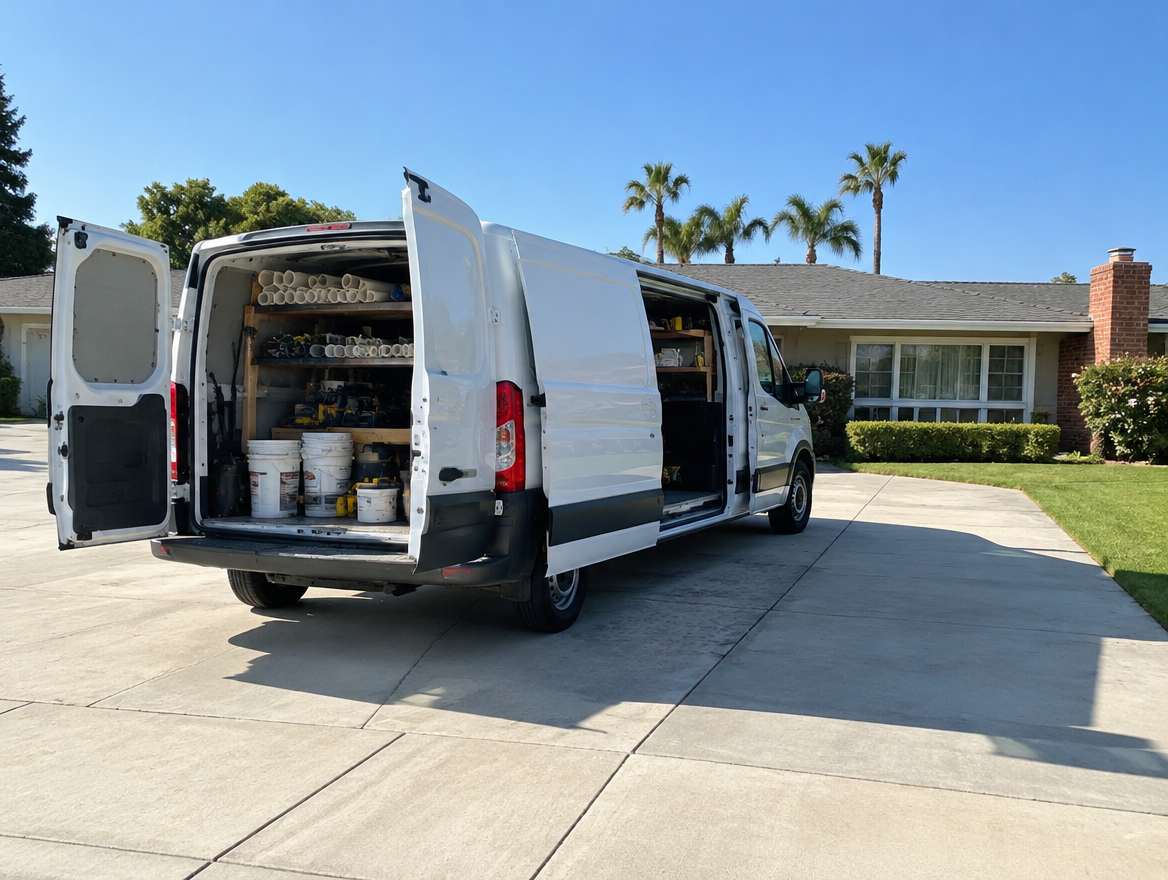
An unmarked plumbing service van parked at a home in Yorba Linda, California
Map shows the area served, not an office location. Open in Google Maps

ZIP codes served: 92886 (Yorba Linda), 92887 (Yorba Linda).

Also nearby: 92807, 92808, 92823, 91709, 92870, 92867, 92861, 92821, 92865, 92869, 92806, 91765, 92831.

Yorba Linda

Slab floors, hard water and aging copper

Yorba Linda grew up as single-family tracts, and many of the older houses sit on slab-on-grade foundations with water lines running under or through the concrete. A leak down there hides under tile and carpet until the meter or the floor gives it away. Taking the new lines through the attic keeps the jackhammer out of your living room.

Your tap water is hard: local groundwater blended with imported water, carrying minerals that scale up pipes, faucets and water heaters. Hardness alone does not call for a repipe. It does explain why the inside of a cut pipe tells you more than the outside.

  • Look up any contractor's license at cslb.ca.gov before you sign, ours included, and confirm it covers plumbing.
  • Ask the City of Yorba Linda whether your repipe needs a permit and inspection.
  • Call the water provider named on your bill about the meter or anything on the street side.
  • California requires seismic straps on water heaters; ask whether the repipe touches yours.
  • Get it in writing that your address sits inside the company's service area.

What we ask on the first call

How old is the house, what is the pipe made of, how many bathrooms, and where have the leaks been? Attic height and fixture count change the job, so we would want to walk the house before putting a number in writing.

A written estimate worth signing names the material, the route, the permit, the days without water and what happens to every wall opening. If one of those is missing, ask before you agree to anything.

This is a preview site for Yorba Linda Repiping. The phone number shown is a temporary placeholder, and the request form below is visible but not connected to a destination yet, so a submission does not reach us.

Before you hire anyone

Ask for the CSLB license number and check it at cslb.ca.gov, find out whether employees or subcontractors will be in your house, and get the price, material and permit plan in writing before work starts.

Yorba Linda Repiping is the business name for this site. Licensing and service details will be published here once confirmed.
Questions to ask before hiring a plumber

Repipe questions

Can I call or send you my repipe details now?

Not yet. This is a preview site for Yorba Linda Repiping: the phone number shown is a temporary placeholder, and the request form is visible but not connected, so a submission goes nowhere for now.

Does a repipe replace my drains and sewer line?

No. A repipe covers the pressurized supply lines that bring water to your fixtures. Drains, vents and the sewer lateral are a separate system with their own camera inspection and repair options.

Copper or PEX?

It depends on the house. Copper is rigid and has a long track record. PEX bends around framing, needs fewer fittings and usually fewer wall openings. Ask whoever walks your house which one they would pick for it, and why.

Do we have to move out?

Most families stay. The new lines go in while the old ones still carry water, so shutoffs cluster around switch-over days. Ask for a day-by-day water plan in writing.

Will you break up my slab?

In most slab houses, no. The new lines travel through the attic and interior walls, and the old buried lines get capped. Your layout decides it, so ask to see the route before work starts.

How long does a repipe take?

House size, material, attic access and the city's inspection calendar all move the timeline, so we do not quote one here. Ask each contractor for their estimate and what would stretch it.

Do I need a permit?

Repipes generally need a building permit and an inspection. Check with the City of Yorba Linda for your address, and ask whether the price on your estimate includes pulling it.

Tell us about your pipes

House age, pipe material if you know it, and every room where a leak has shown up. Urgent? Call (714) 555-0140.

By sending this form you agree to the privacy policy.

Another wet wall?

Close the main, write down the room and the date, and keep the cut pipe from the last repair. Check any contractor's license at cslb.ca.gov before you choose between one more patch and new lines. Preview site: our phone number is a temporary placeholder and this form is not connected yet.

Call (714) 555-0140
Call Get help