Toilet repair, clogs and replacement in Fullerton, CA

Toilet repair in Fullerton, starting with the part that failed

A tank that refills on its own, a clog that comes back, water at the base, a bowl that rocks. Each one points to a specific part. Tell us what yours is doing and we will tell you what we think failed, and whether it can wait.

Preview site. Our phone number is a temporary placeholder and the request form is not connected yet, so a submission does not reach us. Ask any plumber, us included, for a CSLB license number.

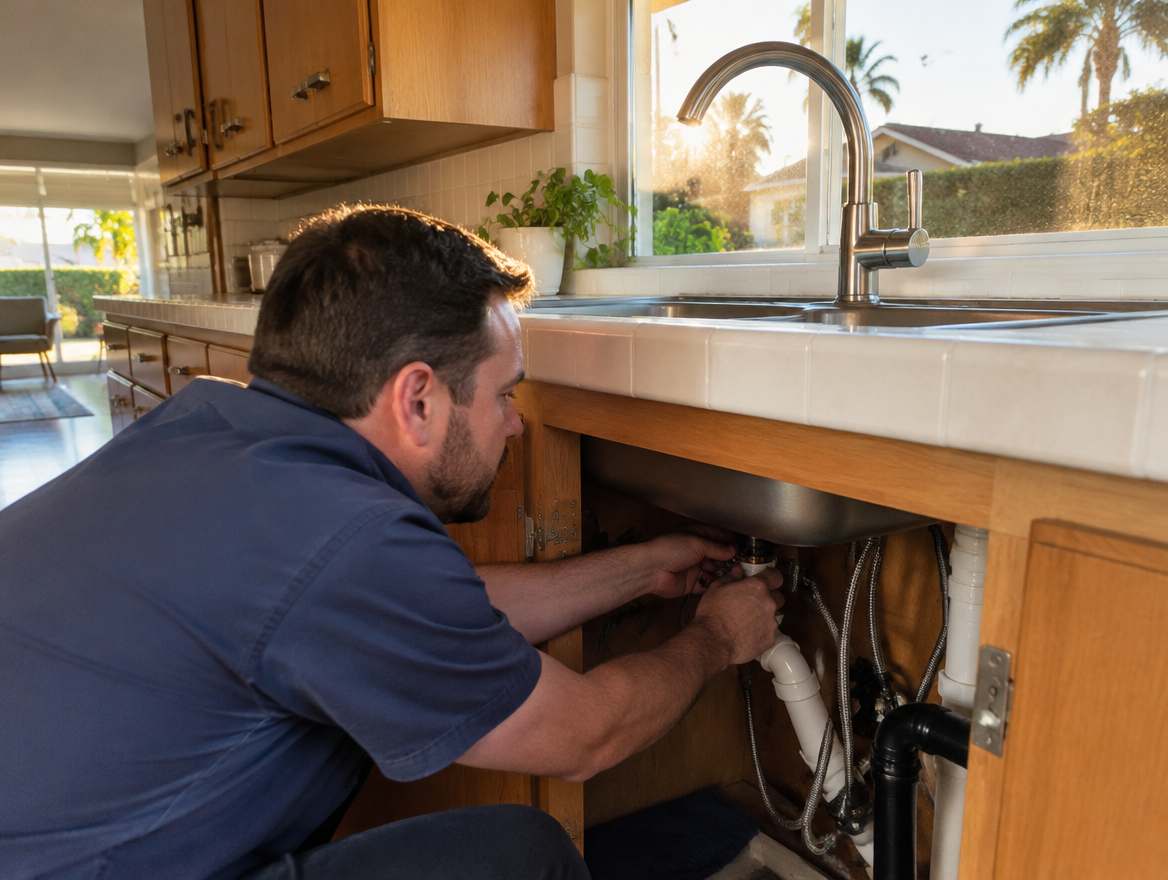
A plumber installing a new kitchen faucet and supply lines

Temporary preview number

(714) 555-0112

Requests from this site are not connected yet.

Water rising or leaking

The first ten minutes

Close the valve behind the toilet first. If it will not turn, use the main.

  1. 1

    If the bowl is rising toward the rim, stop flushing and close the shutoff valve on the wall behind the toilet by turning it clockwise. If that valve will not close or is leaking, shut off the water at the home's main.

  2. 2

    If the tank is running, lift the lid and lift the float or fill valve arm to stop the water while you look; do not keep flushing to test it.

  3. 3

    Wipe the base, tank and supply line dry with a towel, then watch where new water appears. Dripping from above points to the tank or supply line; water seeping out from under the base points to the seal.

  4. 4

    If sewage comes up in a tub, shower or floor drain, stop using water everywhere in the house and keep children and pets away from it until the line is cleared.

  5. 5

    Write down what you noticed and when it started, and take a photo of the valve, the inside of the tank and any water on the floor. It makes the first conversation with a plumber faster.

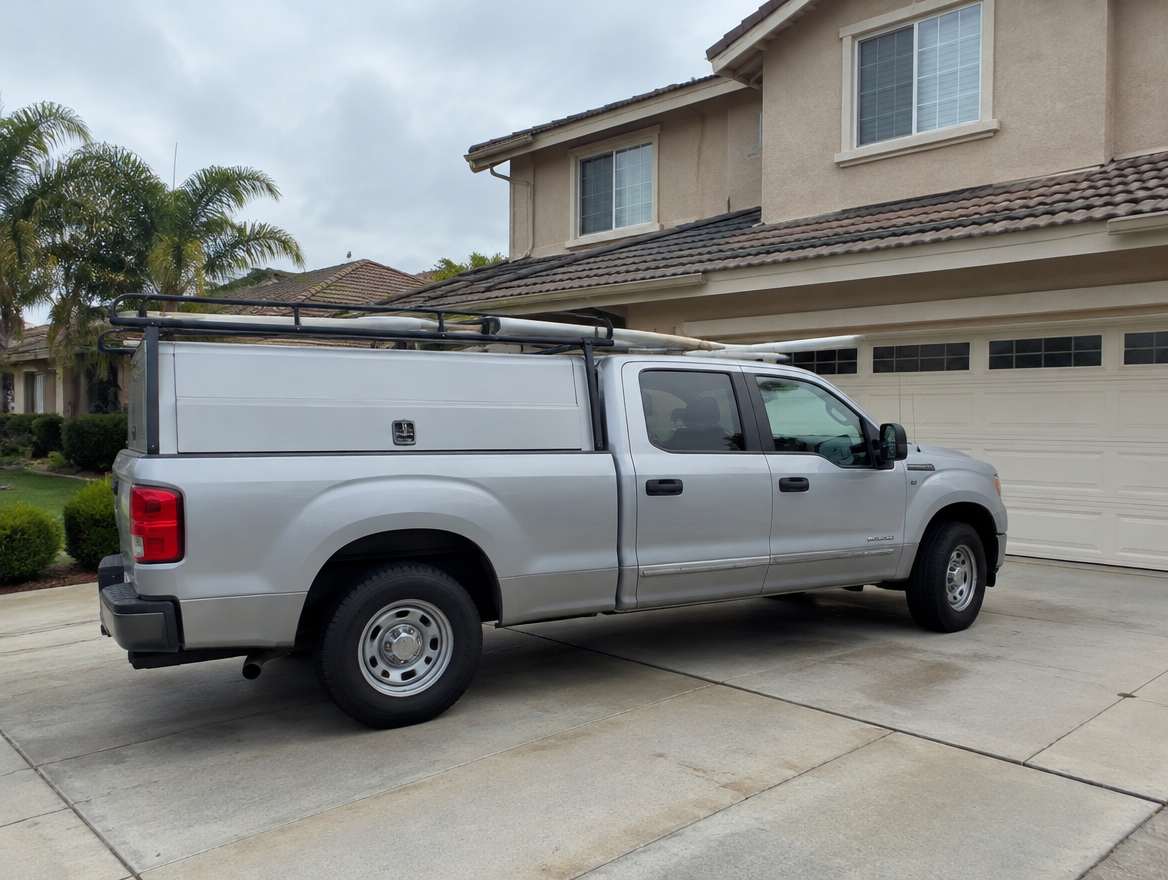
An unmarked plumbing service van parked at a home in Fullerton, California

Most toilet calls trace back to four parts

Water comes in through the shutoff valve and supply line. The fill valve refills the tank, the flapper lets that water drop into the bowl, and a wax ring seals the bowl to the drain in your floor. When a toilet misbehaves, one of those four has usually worn out, or something is stuck in the trap or the line past it.

A seeping flapper can run for months and only cost you water. Water creeping out from under the base, or sewage rising in the tub when you flush, should not wait until the weekend.

Below you will find the warning signs, what to do in the first ten minutes, and how we diagnose, repair or replace a toilet in a Fullerton home.

Symptom to likely part

What your toilet is telling you

Narrow it down before you call anyone. Two rows are marked: those are the ones not to wait on.

What you notice Usually points to Safe to check yourself Call a licensed plumber when
Tank refills on its own or hisses A flapper that no longer seals, or a fill valve set too high or worn by mineral scale. Lift the lid. Water spilling into the overflow tube? Try a food coloring dye test. New tank parts do not stop it, or the shutoff will not close.
Water around the base after a flush Do not wait A failed wax ring or loose closet bolts. Now and then, a cracked bowl. Dry everything, then watch. Rule out drips from the tank bolts and supply line first. Water keeps seeping from under the base, or the floor feels soft.
Weak or slow flush A partial clog in the trap, a low tank level, or rim jets crusted with scale. Compare the tank water level with the fill line molded inside the tank. Plunging and a correct water level do not bring the flush back.
A clog that keeps coming back Something lodged in the trap, or a blockage in the drain or sewer lateral past the toilet. Use a flange plunger. If the bowl rises toward the rim, stop and close the shutoff. It returns within days, or other drains slow down or gurgle with it.
Toilet rocks or shifts Loose bolts, a crushed wax ring, or a worn or broken floor flange. Snug the bolts by hand pressure only. Porcelain cracks when you overtighten. It still moves, or you see any water at the base.
Sewage in the tub or shower when you flush Do not wait A blockage in the main drain or sewer lateral. The toilet is only the messenger. Stop using water in the house. Keep children and pets away from the sewage. Right away. This is a drain line problem.

Most toilet trouble is one worn part. Some of it is the sewer line under your yard. We work out which before anything gets replaced.

What a toilet does before it fails

One of these alone usually means a worn part. Two at once, or any trace of sewage, means it is time to call.

Call (714) 555-0112

How we handle a toilet job

Diagnose, explain, then work, in that order. You get the diagnosis and the price in writing before we pull a bolt.

  1. 1

    Find the part that failed

    We check the shutoff valve, supply line, fill valve, flapper and water level, then the base for movement or seepage. On a repeat clog we ask about your other drains, because a gurgling tub points past the toilet.

  2. 2

    Tell you repair or replace, and why

    A worn flapper or fill valve gets replaced on its own. A cracked tank, a bowl that clogs under normal use, or a toilet with several failing parts makes replacement worth discussing. You hear the reason before you decide.

  3. 3

    Shut off, drain, protect the floor

    We close the toilet's shutoff, empty the tank and bowl, and lay down protection. If that shutoff is stiff or weeping, we say so now, while the water is already off.

  4. 4

    Repair, reset or replace

    Depending on the cause: new tank parts, a closet auger through the trap, or pulling the toilet to replace the wax ring and bolts, check the flange and set the bowl level.

  5. 5

    Flush it until it proves itself

    We fill and flush several times while watching the water line, the base and the supply connection, and confirm the tank shuts off on its own.

  6. 6

    Flag anything bigger

    If the toilet was a symptom of a drain or sewer lateral problem, we tell you and explain the options, such as a camera inspection, instead of clearing the same clog again next month.

Four Fullerton toilet problems, start to finish

Invented examples of common patterns, not records of real jobs or customers.

The tank that runs all night

A hall toilet refills every few minutes overnight. A few drops of food coloring in the tank show up in the bowl without flushing, which points to the flapper. Where the water is hard, mineral buildup on the fill valve can also keep it from shutting off cleanly.

Water at the base in an older slab home

In a 1960s tract house, a small puddle shows up behind the toilet after each flush. The supply line and tank bolts are dry, so the likely culprit is a failed wax ring. Pulling the toilet also lets the plumber check the flange, which can be worn in older homes.

The clog that is not really the toilet

The toilet clears with a plunger but backs up again a few days later, and the tub drain gurgles when it flushes. That pattern often means a blockage in the drain or sewer lateral, where tree roots are a common cause in neighborhoods with mature trees.

Replacing an old, cracked toilet

A hairline crack in the tank has started to weep. Patching porcelain is not reliable, so the conversation turns to replacement: the rough-in measurement from the wall, bowl shape and height, and a new shutoff valve and supply line while the water is off.

What Fullerton houses and water do to toilets

Much of Fullerton was built out in the 1950s through the 1970s, and many neighborhoods are slab-on-grade tract homes. Those houses often have copper or galvanized supply lines and cast-iron or clay sewer laterals, so a toilet problem in an older home can sometimes be a sign of aging pipe beyond the bathroom, especially where mature trees send roots into the lateral.

Fullerton's water comes from the city's own water utility, which blends local groundwater with imported water. That water is hard, and over time minerals can build up on fill valves, flappers and the small rim jets under the bowl's edge, which is one reason tank parts wear out and flushes weaken. For questions about your water service or meter, check with the city.

  • Ask any company to confirm that your Fullerton address is in its service area before you book.
  • Ask for the contractor's CSLB license number and check it at cslb.ca.gov.
  • If a clog keeps returning or affects several drains, ask whether a camera inspection of the drain or sewer lateral makes sense before anything else.
  • Before replacing a toilet, check with the city about any current water-efficiency rebates or requirements.
  • Know where your home's main shutoff is; in many tract homes it is near where the water line enters the house or at the meter.
Map shows the area served, not an office location. Open in Google Maps

ZIP codes served: 92832 (Fullerton), 92835 (Fullerton), 92831 (Fullerton), 92833 (Fullerton).

Also nearby: 92801, 90621, 92805, 90631, 92870, 92806, 90638, 92821, 92802, 92804, 90603, 90604, 90620, 92865, 91748, 90623, 92840, 90680.

What we ask when you call

What is the toilet doing, and since when? Are other drains slow or gurgling? Were you able to close the shutoff? A photo of the inside of the tank, the valve and any water on the floor lets us tell a parts repair from a drain problem before anyone drives over.

This is a preview site. Our phone number is a temporary placeholder, and the request form below is not connected to a destination yet, so a submission is not sent anywhere. The questions above are still the right ones to answer for any plumber you call.

Questions to ask before hiring a plumber

Questions you should ask us

How do I check a plumber's license?
Ask for the contractor's CSLB license number and look it up at cslb.ca.gov before work starts.
Will I get the price before the work starts?
You should. Ask for the diagnosis and the price in writing before anyone pulls the toilet or replaces parts.
Do I need the whole toilet replaced?
Often not. Ask which part has failed and why the plumber recommends repair or replacement, and ask to see the worn part.
What if the problem is in the sewer line, not the toilet?
Ask what makes them think so and whether a camera inspection would confirm it before any larger work is proposed.
Who will actually do the work?
Ask whether the person who arrives is an employee of the licensed contractor or a subcontractor.
Is it safe to keep using the toilet for now?
Not if water is leaking at the base or sewage is backing up elsewhere. A running tank is usually safe to use but wastes water until it is fixed.

Fullerton Toilet Repair is the business name for this site. Licensing and service details will be published here once confirmed.

Toilet questions we hear

Short answers. The fix guides go further.

Why does my toilet keep running?

Most often the flapper is not sealing, so water leaks from the tank into the bowl and the fill valve keeps topping it up. A fill valve set too high, so water spills into the overflow tube, or a worn or mineral-coated fill valve can cause the same thing.

How can I tell if my toilet has a silent leak?

Put a few drops of food coloring in the tank and do not flush for 15 to 20 minutes. If color shows up in the bowl, water is getting past the flapper.

Is water around the base of the toilet serious?

It should not be ignored. If the water is coming from under the toilet rather than dripping from the tank or supply line, the wax seal has likely failed, and water can soak into the subfloor or slab edge over time. Stop using that toilet until it is checked.

Should I use chemical drain cleaner on a toilet clog?

It is best avoided. Chemical cleaners can damage parts and are hazardous to anyone who later works on the toilet. A flange plunger or a closet auger is the usual tool for a toilet clog.

When is replacing a toilet better than repairing it?

Replacement is usually worth discussing when the tank or bowl is cracked, when the toilet clogs often even with normal use, or when several parts are failing at once. A worn flapper or fill valve on its own is normally just a repair.

Why does the tub gurgle or back up when I flush?

That usually means the blockage is in the shared drain or sewer lateral, not in the toilet. Stop running water, keep people away from any sewage, and have a licensed plumber check the line.

Can I tighten a rocking toilet myself?

You can gently snug the bolts at the base, but stop as soon as they are firm: overtightening can crack porcelain. If it keeps rocking or there is any water at the base, the seal and flange should be checked.

Tell us what the toilet is doing

Which bathroom, what you noticed and since when. A photo of the inside of the tank helps. Urgent? Call (714) 555-0112.

By sending this form you agree to the privacy policy.

Water on the floor right now?

Turn the valve behind the toilet clockwise until it stops. If it will not budge, close the main. Keep everyone away from any sewage, then call. Whoever you hire, check their CSLB license at cslb.ca.gov first.

Call (714) 555-0112

Preview site for Fullerton Toilet Repair. The phone number shown is a temporary placeholder and the request form is not connected yet.

Call Get help