Sewer root removal in Fullerton, CA

We cut roots out of Fullerton sewer lines, then show you where they got in

A slow tub, a toilet that gurgles on laundry day, the same clog every spring. In Fullerton's older clay and cast-iron laterals, that pattern points to roots. We clear the line from the cleanout, run a camera to the street, and walk you through the footage.

This is a preview site for Fullerton Root Removal. The phone number is a temporary placeholder, and the request form isn't connected yet, so a submission won't reach anyone.

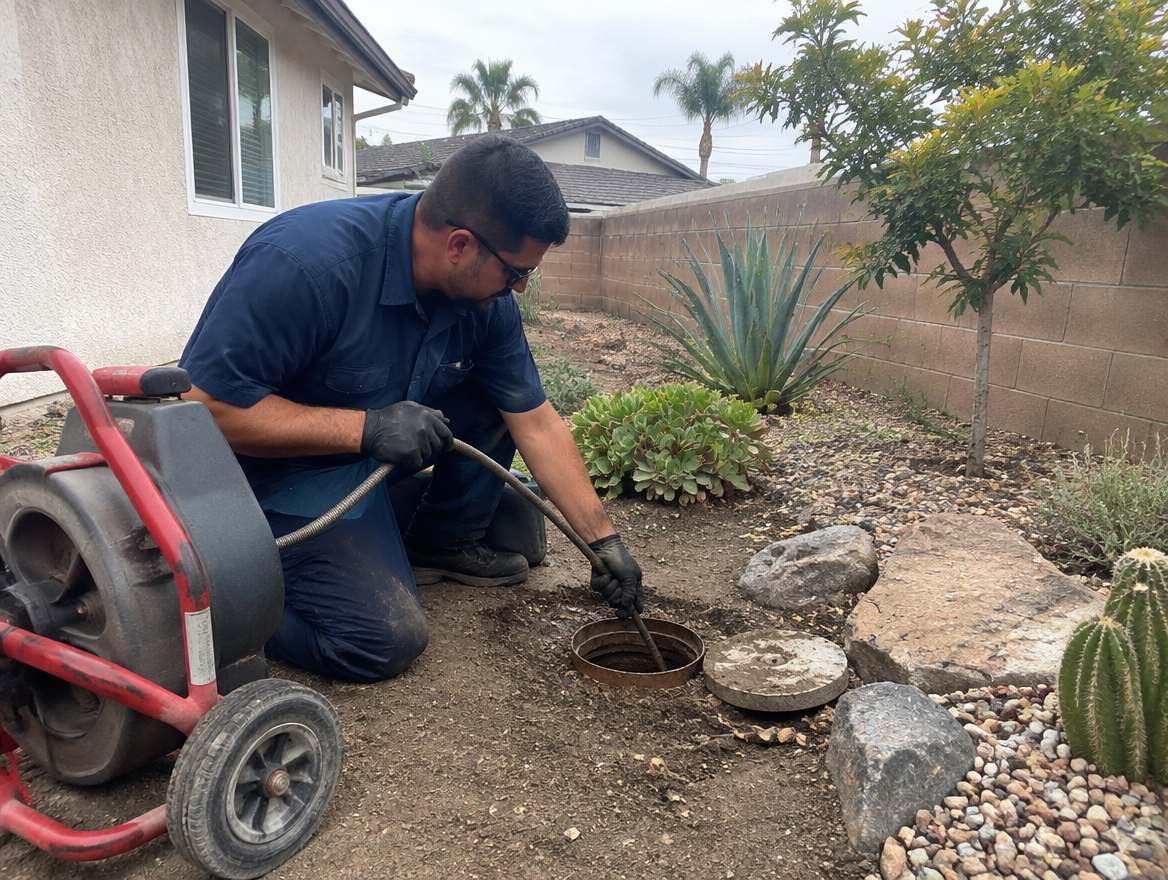
A plumber feeding a motorized sewer cable into an outdoor sewer cleanout

Main line or one drain?

Signs the trouble is in the main line

One slow sink is a sink problem. These point past the house, into the pipe that runs to the street.

  • Two or more drains slow down on the same day, worst at the lowest tub or shower.
  • The toilet gurgles or bubbles when the washer drains.
  • Dirty water rises in a floor drain, a tub or the outdoor cleanout.
  • The same main-line clog comes back a few months after someone snaked it.
  • A sewer smell near the cleanout or along the route to the street.
  • A strip of lawn that stays greener and softer than the rest of the yard.
  • A big tree, in the yard or the parkway, between the house and the street.
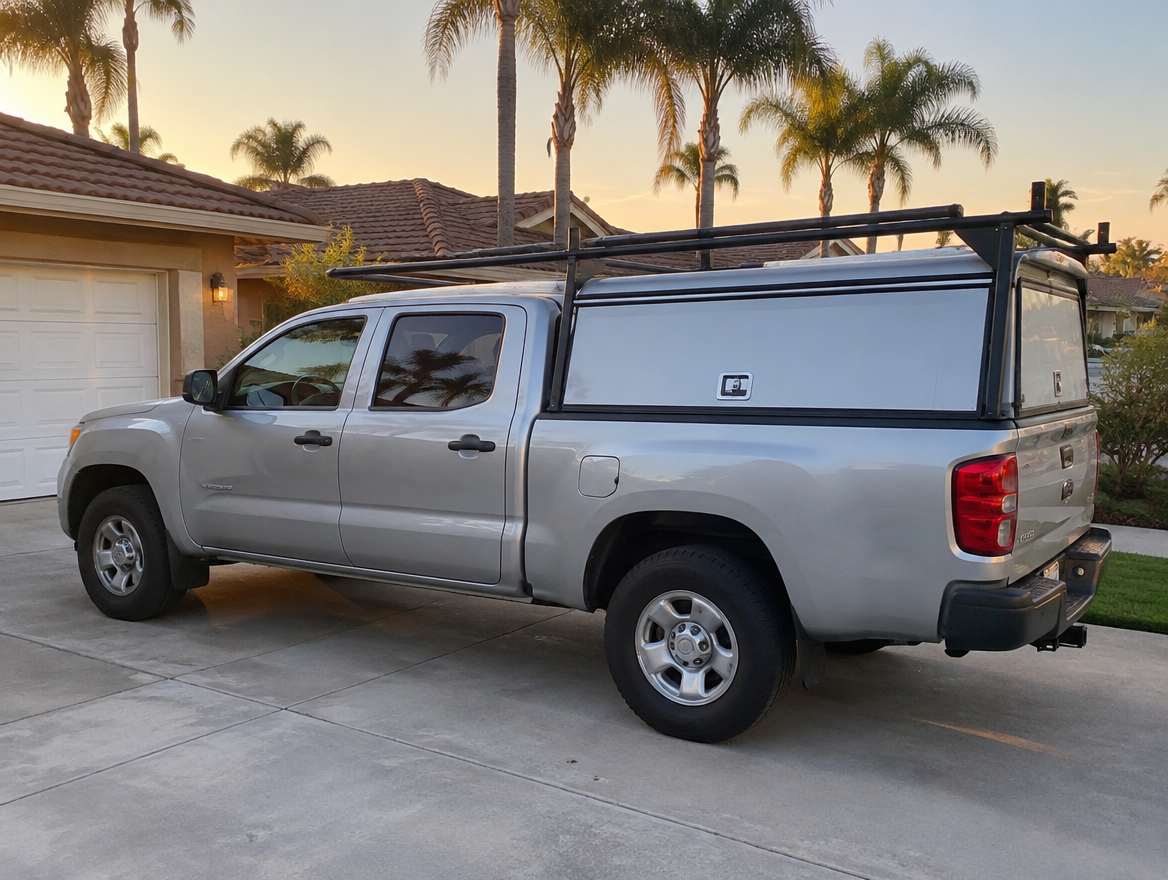
An unmarked plumbing service van parked at a home in Fullerton, California

Why it happens

Roots follow the leak

Roots rarely break sound pipe. They find a joint that already seeps water, push a hair-thin root through the gap, and keep growing until a mat fills the pipe and snags paper and grease.

Plenty of Fullerton homes went up between the 1950s and the 1970s with clay or cast-iron sewer laterals. Clay comes in short sections with a joint every few feet. Cast iron rusts and cracks with age. Half a century of street trees has had time to find both.

Cutting the roots out gets water moving today, and the open joint lets them grow back. A camera run after cleaning tells you which you need next: a cleaning schedule or a repair.

Cut the roots and the drains run today. Find the joint they came through and you stop paying for the same clog every spring.

Cut, jet, treat, line or dig

Most root jobs start with clearing the line and filming it. The footage decides what comes next. Here is what each option does and where it stops.

How common sewer root removal and repair methods compare
Method What it does Where it fits Where it stops
Cable cutting A spinning cutter head chews a channel through the root mat. Getting a blocked line draining, and routine cleaning on a line that grows roots. The joint stays open, so the roots come back.
Hydro jetting High-pressure water scrubs the pipe walls and flushes roots, grease and silt to the main. A deeper clean after cutting, and prep before a camera run or a liner. Fragile old pipe may not take the pressure. The pipe gets checked first.
Root-control product A treatment that slows regrowth inside a line that already flows. Lines kept on a cleaning schedule instead of repaired. Won't open a blocked line. Follow the label and ask a licensed plumber first.
Trenchless liner A resin sleeve cures inside the old pipe and covers the joints roots use. Pipe that still holds its shape but leaks at many joints. Follows the old pipe, so it won't fix a sag or a collapsed section.
Dig and replace Crews excavate the broken section, or the whole lateral, and lay new pipe. Collapsed, badly offset or sagging pipe. Means digging and often a permit. Check with the City of Fullerton.

On the job

What happens when we clear a root-filled line

The plan follows what the camera shows, so no two jobs run the same. This is the usual order.

Call (714) 555-0115
  1. Open the line

    We start at your outdoor cleanout. No cleanout? We go in through a toilet opening and tell you whether adding one makes sense.

  2. Cut a path

    A cable machine with a root-cutting head chews through the mat so the backed-up water drains.

  3. Clean the walls

    If the pipe can take the pressure, a hydro jetter flushes cut roots, grease and silt out to the main. We check the pipe before we use it.

  4. Film the pipe

    A camera runs the length of the lateral and shows where the roots got in, what the pipe is made of, and any crack, sag or offset joint.

  5. Show you the footage

    We pause on each problem, tell you how far it sits from the cleanout, and lay out the options in writing: a cleaning schedule, a spot repair, a liner or a new section.

  6. Plan for regrowth

    If you keep the pipe as it is, roots will return through the same joints. We'll suggest when to check the line again.

Sewage coming up a drain? Do this first

  1. Stop all water use. No flushing, showers, laundry or dishwasher until the line is clear.

  2. Keep kids and pets out of the room, and wear gloves if you have to move anything wet.

  3. Leave the chemical drain cleaner on the shelf. It won't touch a root mat, and it splashes on whoever opens the line.

  4. Find the cleanout, a capped pipe near the foundation or in the front yard, and leave the cap on.

  5. Write down what happened and when, take a few photos, and call a plumber whose CSLB license you've checked.

Smell gas while you're dealing with a backup? Leave the house and call 911 or SoCalGas from outside.

Print the backup response card

Around town

Root problems that show up on Fullerton streets

The parkway tree over a clay lateral

A big street tree stands right above the line, and the main clogs about once a year. The camera usually finds roots at the clay joints nearest the trunk. Parkway trees can be city trees, so check with the City of Fullerton before anyone trims or cuts one.

The holiday backup

A full house means back-to-back showers and loads of laundry. A line that coped with normal use gives up, and sewage appears in the lowest shower. Stop the water, keep people clear, then clear the line and film it.

Buying a 1960s house

A vacant house hides a slow line because nobody runs water. Buyers of older Fullerton homes often order a sewer camera inspection during escrow, so roots or a sag become part of the negotiation.

Snaked in spring, slow again by fall

Cutting clears the pipe and leaves the joints open. If you're on your third snaking, ask for footage and a straight answer on repair versus maintenance.

Where we work

Fullerton laterals, trees and the city line

Most of Fullerton's 1950s to 1970s tracts sit on concrete slabs, with older raised-floor homes around downtown and in the hills to the north. Their sewer laterals tend to be clay or cast iron, and the trees planted alongside them are now full grown.

The City of Fullerton decides where your part of the lateral ends and its part begins, and which repairs need a permit. Ask the city before digging, and before anyone touches a parkway tree.

  • Clay laterals have a joint every few feet, and roots can use each one.
  • Mature street and yard trees cause most root intrusion in established neighborhoods.
  • Buying an older home here? Put a sewer camera inspection on the list.
  • Ask any contractor for the CSLB license number and look it up at cslb.ca.gov.
  • Ask any company to confirm that your Fullerton address is in its service area.
Map shows the area served, not an office location. Open in Google Maps

ZIP codes served: 92832 (Fullerton), 92835 (Fullerton), 92831 (Fullerton), 92833 (Fullerton).

Also nearby: 92801, 90621, 92805, 90631, 92870, 92806, 90638, 92821, 92802, 92804, 90603, 90604, 90620, 92865, 91748, 90623, 92840, 90680.

Questions

What Fullerton homeowners ask about roots

Before you hire anyone, ask for the CSLB license number, check it at cslb.ca.gov, and get the price in writing.

Fullerton Root Removal is the business name for this site. Licensing and service details will be published here once confirmed.

Questions to ask before hiring a plumber

How do tree roots get into a sewer line?

Through a joint or crack that already leaks. Moisture and nutrients seep into the soil, roots grow toward them, and once a root slips inside it grows into a mat.

Will roots come back after you cut them out?

Yes, as long as the joint they used stays open. That's why lines with roots end up on a cleaning schedule or get repaired.

Is hydro jetting better than cutting?

They do different jobs. The cutter opens a channel through the roots. The jetter scrubs the pipe walls. Old, fragile pipe may not take jetting, so the pipe gets checked first.

Do I need a camera inspection?

If you want to know where the roots are getting in, yes. The camera also shows cracks, sags and offset joints. Ask for a copy of the footage.

Can I just remove the tree?

The roots already inside the pipe stay there, and the open joint will attract roots from other plants. The tree may also belong to the city. Check with the City of Fullerton first.

Do root-killing products work?

Root-control products can slow regrowth in a line that's already flowing. They won't open a blocked one. Read the label, and ask a licensed plumber whether one suits your pipe.

Who is responsible for the sewer lateral?

Homeowners usually own the lateral that serves their home, but the city sets where that ends. Ask the City of Fullerton about your address.

How do I check a plumber's license?

Ask for the CSLB license number and look it up at cslb.ca.gov. Make sure it's active and the name matches the company you're talking to.

A plumber says I need a new sewer line. How do I know?

Ask to see the footage and the exact spot. Then show the same footage to a second licensed plumber before you agree to a big repair.

Will clearing roots damage my old pipe?

Badly deteriorated pipe carries some risk with any cleaning. Ask how the pipe will be checked first and which tool goes in.

Sewage came up in my house. Can I clean it myself?

Small spills, yes, with gloves, boots and eye protection. Sewage carries germs, so keep people and pets away, and call a cleanup company for anything that soaked carpet or drywall.

Do I need a permit for sewer repair?

Digging up or replacing a sewer line may need one. Check with the City of Fullerton and ask whether your contractor will pull it.

Should I get the price in writing?

Always, before work starts, including whether the camera inspection is part of it.

Send us the details

Which drains are slow, whether sewage has come up, and since when. Urgent? Call (714) 555-0115.

By sending this form you agree to the privacy policy.

Water backing up right now?

Stop running water and keep everyone away from the sewage. Then call us or send the details: which drains, since when, and where the cleanout is. Whoever clears the line, check their CSLB license at cslb.ca.gov. Preview site: the number is temporary and the form isn't connected yet.

Call (714) 555-0115

What we'll ask when you get in touch

Which drains are slow, whether sewage has come up anywhere, where the cleanout is, roughly when the house was built, and when the line was last cleared. Five answers, and the visit goes faster.

Ask us how we'll clear the line, whether the camera is part of the job, and what the price is in writing before we start. This is a preview site: the number shown is temporary and the form isn't connected yet.

Call Get help