Downtown Fullerton · Older houses, storefronts, small buildings

Cast iron, galvanized and clay: plumbing for older Downtown Fullerton homes and buildings

An older building often holds pipe from several eras behind the same wall. We name each run first (galvanized supply, cast-iron drain, clay lateral) and check its condition before anyone quotes a repipe or cuts into plaster.

This is a preview site for Downtown Fullerton Plumbing. The number shown is a temporary placeholder and our request form is not connected yet, so nothing you submit reaches us. An on-site inspection by a licensed contractor still decides what your pipe needs.

Illustrative image
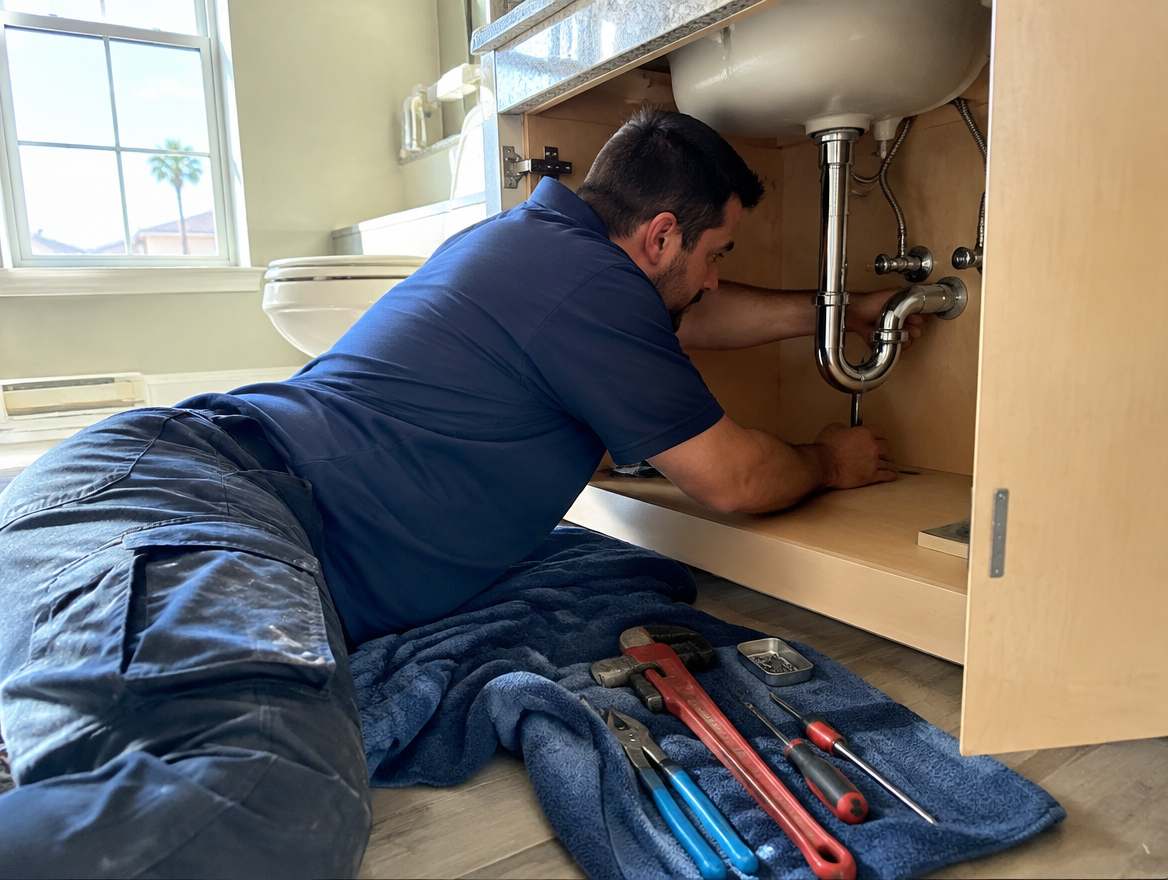
A plumber working under a sink on home plumbing
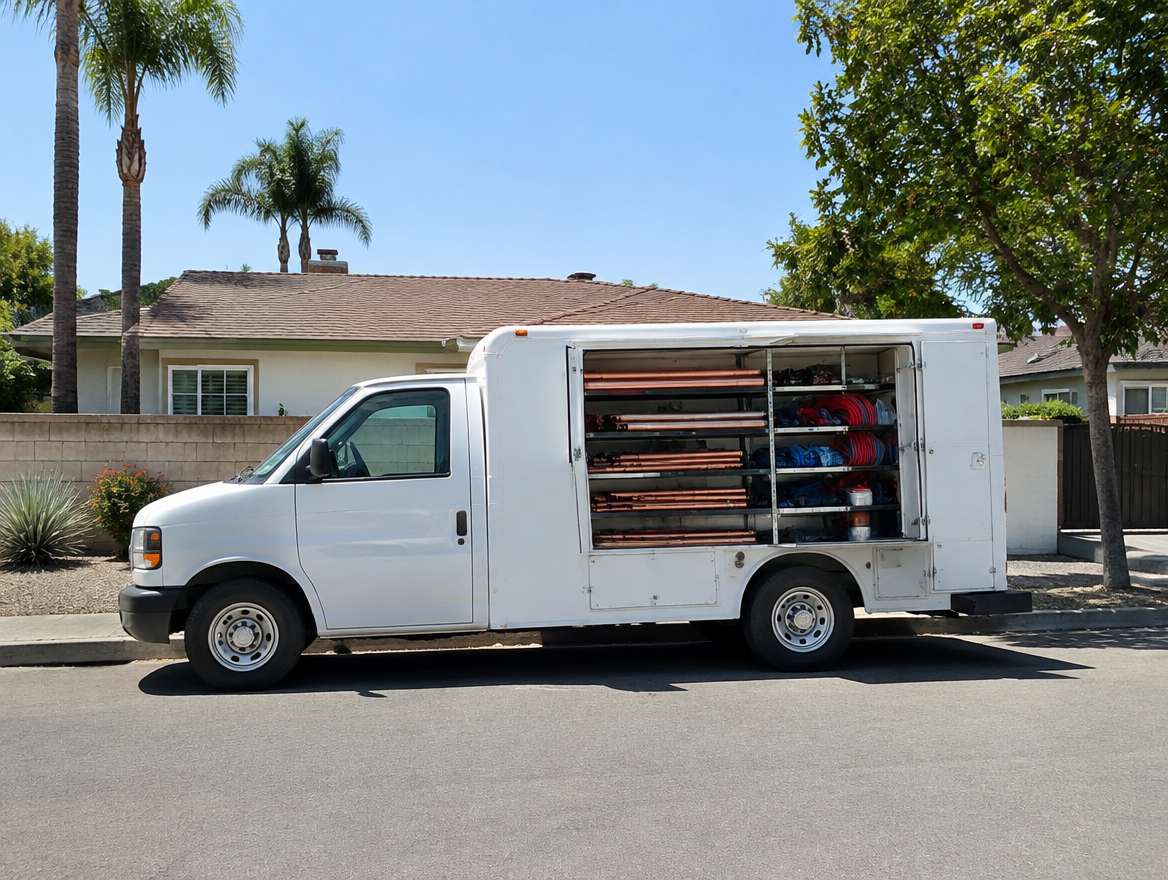
An unmarked plumbing service van parked at a home in Downtown Fullerton, California

Illustrative image, not a photo of a real job.

Read this first

Each old pipe material wears out its own way

  1. Plenty of houses and commercial buildings around Downtown Fullerton went up before copper and plastic pipe were standard. Builders ran galvanized steel for water, cast iron for drains inside the walls, and clay pipe out to the street. Decades of remodels then spliced newer pipe into the old.

  2. Galvanized steel rusts from the inside, so the bore narrows and your pressure fades long before a leak shows. Cast iron scales up, cracks, or thins along the bottom where water sits. Clay laterals give roots an easy way in at every joint, and hard water adds mineral crust on top of all of it.

  3. You rarely need to gut the building. You need to know which materials you have, where they run and how they look inside. A camera run through the main drain and a look at the exposed supply pipe tell you more than any guess from symptoms.

Spec sheet

Six pipe materials you may find in an older building

Use it to put a name to what you see in the crawlspace, under a sink or on a camera video. Then ask the plumber to confirm it.

Common plumbing pipe materials in older buildings, how to recognize them and how they usually fail
Material Where it shows upHow to spot itHow it failsUsual options
Galvanized steel Water supply lines in many older houses and small buildings Dull gray, threaded joints. A magnet sticks. Rusts from the inside: fading pressure, rusty water, leaks at the threads Spot repair, or a partial or full repipe in copper or PEX
Cast iron Drain and vent stacks, drain lines under floors and in crawlspaces Heavy, dark gray to rust brown, wide. A magnet sticks. Scale, cracks, rust-through along the bottom; odors and slow drains Replace a section, replace the run, or line it where the pipe allows
Clay (vitrified) Sewer laterals running from the building toward the street Red-brown or tan, short sections with bell joints. Usually seen only on camera. Roots at the joints, cracks, offset or separated sections Root clearing, a sectional repair, replacement or a trenchless method
Copper Later repairs, remodels and repipes Reddish brown, soldered joints. A magnet does not stick. Pinhole leaks over time; tends to last Repair at the leak and keep it in service
ABS / PVC Newer drain repairs and replacement sections Black (ABS) or white (PVC) plastic, glued joints Weak points where it meets old cast iron or clay Check each transition to old pipe during any inspection
PEX Modern supply repipes Flexible red, blue or white tubing with crimped or expanded fittings Fitting problems, or damage from later work inside the walls Keep it; repair at the fitting

General descriptions only. Pipe condition varies from house to house, and only an inspection by a licensed plumber tells you what yours looks like inside.

Find out what pipe you have. Then decide what to fix.

Symptoms

Signs your old pipe is wearing out

One of these alone can be a single bad fixture. Two or three together usually point at the pipe.

  • Water pressure that has faded over months or years, worst at upstairs or far-end fixtures.
  • Brown, yellow or rusty water when you first open a tap, especially after the house has sat empty.
  • Several slow drains at once, or a tub that gurgles when someone flushes a toilet.
  • Sewer smell in a crawlspace, laundry area or along a wall where a drain stack runs.
  • Rust streaks, white crust or damp spots on exposed pipe under sinks, in the crawlspace or at the water heater.
  • Backups in the same spot every few months, or root fragments on the cable when someone clears the line.
  • Pinhole leaks or weeping threads on galvanized pipe.

Safety first

Do these first

The first three are about people and property. Handle them before you call anyone.

  1. Water leaking? Close the main shutoff. In many older homes it sits where the line enters the house or at the meter. Old gate valves stick, so turn slowly and stop if it fights you.

  2. Sewage backing up? Stop all water use in the building, keep children and pets away, and wear gloves if you have to touch anything wet.

  3. Smell gas? Leave the building now and call 911 or SoCalGas from outside. Leave lights, appliances and phones alone while you are inside.

  4. Write down what you see, which fixtures are affected and since when. Photograph any exposed pipe, stains or drips.

  5. Before anyone schedules work, ask for the contractor's CSLB license number and check it at cslb.ca.gov. Ask whether a camera inspection or pipe assessment comes before the quote.

Process

How we approach older-building work

Each building differs, but the order holds: find out what is there, stop what is urgent, then plan the rest with you.

  1. Step 01

    Name the materials

    We look at exposed pipe in the crawlspace, garage, under sinks and at the water heater to see which runs are galvanized, copper, plastic or a mix.

  2. Step 02

    Camera the drain

    A camera run through the main drain shows cracks, scale, sags, offset joints and roots in cast iron and clay, and roughly how far out each one sits.

  3. Step 03

    Stop the urgent problem

    An active leak, a blocked main or a failed valve comes first, often with a targeted repair instead of a same-day replacement.

  4. Step 04

    Put the options in writing

    For supply lines that means spot repairs or a repipe in copper or PEX. For drains it can mean a section, the full line, or a trenchless method where the pipe allows it.

  5. Step 05

    Sort out permits and access

    Repiping and sewer replacement may need a permit and inspection, so check with the City of Fullerton. Ask how walls, floors or yard get opened and patched.

  6. Step 06

    Test and record

    After the work the lines get a pressure test or a second camera run, and you get a written record of what changed and what old pipe stayed.

Situations

Four situations we expect to see downtown

01

The upstairs shower barely runs

In an older two-story house, weak pressure that is worst upstairs and on the hot side often traces to narrowed galvanized pipe. Comparing pressure at the main with pressure at the fixture shows whether the choke point is the house piping, a valve or the water heater connections.

02

The same drain backs up every few months

A main line that clogs again after every cleaning fits a familiar pattern: roots in an old clay lateral, or cast iron thick with scale. A camera run shows whether cleaning will hold or a section has cracked, sagged or pulled apart.

03

You are remodeling a kitchen or bath

Open walls are the cheapest moment to swap the galvanized and cast iron behind them. Ask where the new work ties into old pipe outside the room, and what shape that pipe is in, so a new bathroom does not drain into a failing line.

04

You are buying or leasing an older property

Before you close on an older house or sign a lease on a downtown storefront, a sewer camera inspection and a look at the supply pipe can surface expensive problems early. Ask for the video and a written summary along with the verbal opinion.

Map shows the area served, not an office location. Open in Google Maps

ZIP codes served: 92832 (Fullerton), 92831 (Fullerton), 92833 (Fullerton), 92835 (Fullerton).

Also nearby: 92801, 92805, 92806, 90621, 92870, 92802, 92804, 92865, 90631, 90638, 90620, 92821, 92840, 90680, 92868, 90603, 90604, 92841.

Local notes

Older plumbing in and around Downtown Fullerton

Downtown Fullerton mixes older single-family houses, small apartment buildings and commercial blocks, many older than the slab tract homes built across North Orange County in the 1950s to 70s. Plenty of the older houses sit on raised foundations over a crawlspace, which puts supply and drain lines within reach. Multi-unit and mixed-use buildings often share drain stacks and laterals, and those need more planning.

The City of Fullerton runs its own water utility, so questions about your meter, the street-side service line or water quality start with the city. Mature street and yard trees shade the older blocks, and their roots find old clay and cast-iron laterals.

  • Ask any company, us included, to confirm your Downtown Fullerton address is in its service area before you book.
  • Check the contractor's CSLB license at cslb.ca.gov, and ask whether employees or subcontractors will do the work.
  • For permits on repiping, sewer replacement or water heater work, check with the City of Fullerton.
  • If your building shares a lateral or drain stack with other units, settle who owns which section before work starts.
  • California requires seismic strapping on water heaters. Ask that any replacement is strapped and installed to current code.

Questions

What owners ask about old pipe

How can I tell if my house has galvanized pipe?

Check exposed pipe near the water heater, under sinks or in the crawlspace. Galvanized steel is dull gray with threaded joints, and a magnet sticks to it. Copper is reddish brown and ignores a magnet. Plastic comes in white, gray, blue or red. Many older homes have all three.

Do I have to replace all of my galvanized pipe at once?

No. Some owners replace the failing section first and plan the rest. The remaining galvanized keeps corroding, though, and each joint between new and old pipe is a new weak point. A plumber who has seen your piping can tell you which approach fits.

Can old cast-iron drain pipe be repaired instead of replaced?

Often, yes. A plumber can cut out a cracked or rusted section and splice in modern pipe, and some lines can be cleaned and lined with a trenchless method. The pipe's condition, size and layout decide which works, and a camera inspection shows all three.

What does a sewer camera inspection show?

A plumber feeds a small camera through a cleanout or drain and records the inside of the line. You see roots, cracks, scale, sags that hold water, offset joints and changes in pipe material, plus roughly how far each sits from the access point.

Is rusty water from my tap dangerous?

Discolored water usually comes from corroding iron pipe or sediment, but do not guess. Ask the City of Fullerton's water utility about water quality, and have a plumber check whether the color starts in your building's pipe or water heater.

Should I repipe with copper or PEX?

Plumbers use both. Copper is rigid and long established. PEX bends, so it often snakes through old walls with fewer openings. Ask why the plumber recommends one for your building, and get the material written into the quote.

Will repiping an older house mean tearing out all the walls?

Usually not. Plumbers open smaller access holes at fixtures and along pipe routes, and a crawlspace cuts the number further. Ask in advance how many openings to expect and whether patching and paint are in the price.

Before work starts

Fair questions to settle before anyone opens a wall

How do I check a plumber's license?
Ask for the CSLB license number and look it up at cslb.ca.gov. The lookup shows whether the license is active and which classifications it covers.
How do I know a full repipe is needed?
Ask to see the evidence: photos of corroded pipe, pressure readings, or the section that failed. Get a second opinion on a large job, and ask what happens if you repair only the failing section for now.
What if the camera finds a problem under the sidewalk or street?
Responsibility for the stretch of lateral or water service past your property line can differ. Check with the City of Fullerton before work begins so you know which section is yours.
Can the repair itself disturb old pipe?
Yes. Brittle galvanized joints and old valves can start leaking when someone works on pipe nearby. Ask how the plumber handles the surrounding old pipe and what happens if a connection fails mid-job.
What belongs in the written quote?
The scope, the pipe materials going in, the sections staying in place, who handles permits and inspection, how openings get restored, and the total price before work starts.
Who handles my building's gas lines?
A licensed contractor handles gas piping inside the building. SoCalGas owns the meter and the street-side service. If you smell gas at any point, leave and call 911 or SoCalGas from outside.

Before you hire anyone, us included

Ask for the contractor's CSLB license number and check it at cslb.ca.gov. Ask whether employees or subcontractors will do the work, and get the price in writing before work starts.

Downtown Fullerton Plumbing is the business name for this site. We will publish licensing and service details here once they are confirmed.

Questions to ask a plumber

Describe the old-pipe problem

Tell us what you are seeing, where in the building, roughly how old the building is, and when it started. Urgent? Call (714) 555-0124.

By sending this form you agree to the privacy policy.

Old pipe in a Downtown Fullerton building?

Close the main if water is leaking, keep everyone away from sewage, and get out if you smell gas. Then find out what pipe you have before you decide on repairs, and hire a CSLB-licensed plumber you have checked yourself.

What a first call covers

Expect questions about the building's age, whether it is a house, a multi-unit building or a commercial space, what you are seeing, and any repiping or sewer work you know of. Photos of exposed pipe and the location of your main shutoff speed things up.

The next step for larger work is usually an on-site look, often with a camera run through the main drain, before anyone commits to a firm price. Ask how the quote will be written, what it includes, and whether it lists the old pipe that stays in service.

Call Get help