Slab leak detection and repair in Anaheim Hills

Find the leak under your slab before anyone cuts concrete

Warm tile by the island. A meter that turns with every tap closed. Our plumbers confirm which line is leaking, narrow it to a small patch of floor, and lay out spot repair, reroute or repipe in writing before any work starts.

Preview site for Anaheim Hills Slab Leak Repair. The phone number is a temporary placeholder and the request form is not connected yet, so a submission goes nowhere for now.

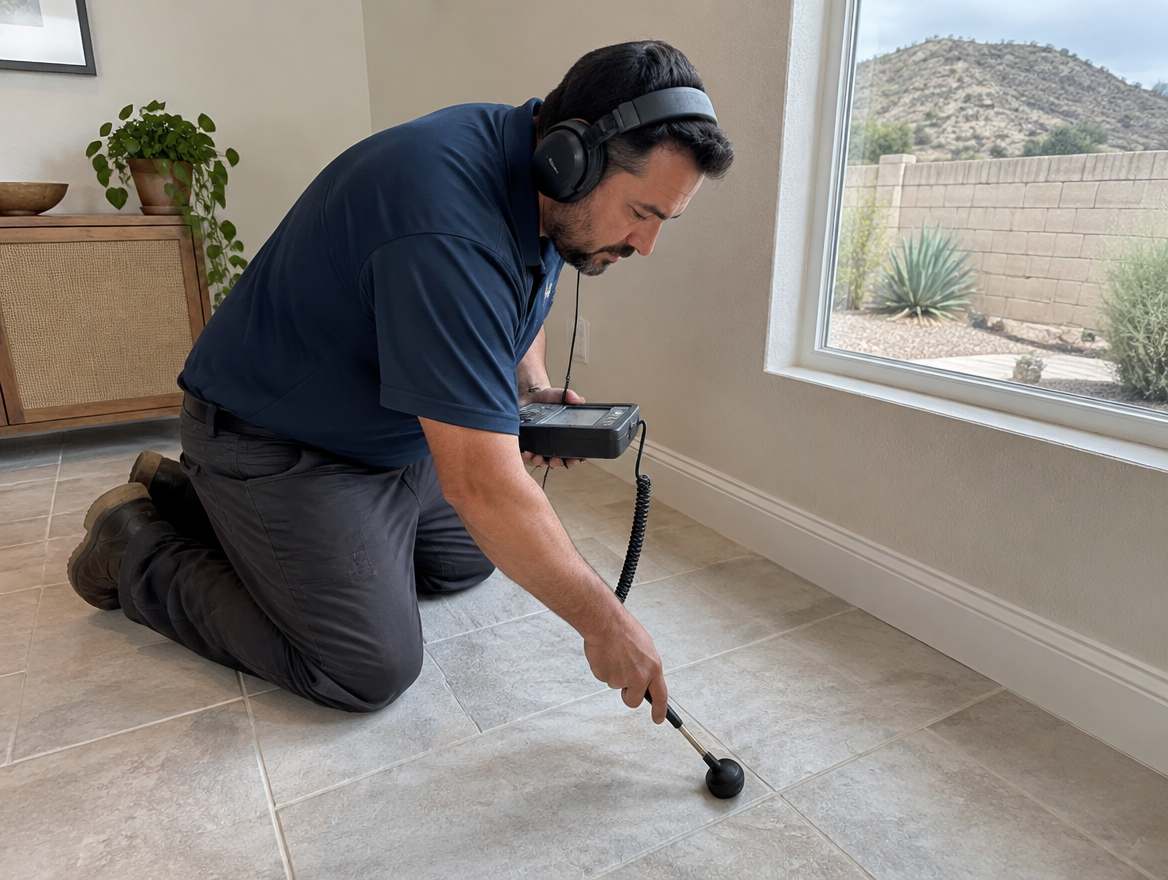
A plumber using electronic leak-detection equipment to find a hidden pipe leak

Before you call

Clues the leak is under the floor

Any one of these can have another cause. Two together are worth ten minutes with your water meter today.

Run the meter test
  • A warm patch of tile or wood near the kitchen, a bath or the water heater

  • The meter's leak dial turning with every fixture off

  • A bill well above the same months last year, with no change in how you use water

  • A faint hiss or trickle when the house is quiet

  • Damp carpet pad, cupping boards or loose tile with no fixture nearby

  • A water heater that fires or refills far more than it used to

  • Weak pressure at several fixtures at once, or new cracks in floor tile

Ten minutes, no tools

The ten-minute meter test

Your water meter is the cheapest leak detector on the property. It tells you whether water is escaping, and one valve at the water heater tells you which side it is on.

  1. Turn off every faucet, appliance, ice maker and irrigation timer so nothing in the house draws water.

  2. Open the meter box near the curb and note the reading and the small leak dial.

  3. Use no water for 15 to 30 minutes, then read it again. Any movement means water is leaving the system.

  4. Close the cold inlet valve on top of the water heater and watch again. If the dial stops, the leak is on the hot side.

  5. If water is surfacing or the dial is spinning fast, close the main shutoff and open it only when you need water.

  6. Photograph warm or damp spots and write down both readings. That is what we ask for first.

Water near outlets or cords? Keep everyone away and close the main first. If you smell gas, leave the house and call 911 or SoCalGas from outside.

Your meter finds the leak. We find where it is, then fix it through the smallest opening your house allows.

Under the floor

A slab leak is a broken pipe you cannot see

Most Anaheim Hills houses sit on a concrete slab poured over graded soil. The copper supply lines run under that slab before they rise to the kitchen, baths and laundry. When one of them breaks, the water goes down into the soil or sideways along the pipe.

That is why the first clue is rarely a puddle. You feel a warm tile on the hot side, hear a hiss at night, or open a bill that makes no sense.

Fixing it is a choice. We can open the slab at the leak, reroute the line through the walls or attic, or repipe the house. Pipe condition, leak location and your repair history decide which one fits.

On the hot side, escaping water warms the slab above it. A thermal camera reads that warmth from the floor surface.

Once it is located

Spot repair, reroute or repipe

None of them is right for every house. Ask us, or any plumber, for the recommended option and the runner-up in writing, then compare.

Spot repair

What happens
We open the slab over the located leak, repair that section of pipe, then backfill and patch.
Often fits when
A first leak in pipe that is otherwise sound, under plain flooring that is easy to reach.
Know going in
Flooring over the spot comes up, and the rest of the old line stays in service.
Reroute

What happens
We cap the leaking run in the slab and bring new pipe to the same fixtures through walls or the attic.
Often fits when
A leak under a cabinet, shower or stone floor, or a line that has leaked before.
Know going in
You trade a floor opening for a few drywall openings. Get the route in writing.

Repipe

What happens
We replace most or all of the supply piping, usually overhead, and take the under-slab lines out of service.
Often fits when
Leaks in several places, or copper that testing shows is thin throughout.
Know going in
The biggest job of the three. Worth a second written opinion before you sign.

Prices depend on the house, where the leak sits and who does the work, so this site does not quote them. The bars show how much of the house each option opens, not cost.

Our order of work

How we handle a slab leak

Six steps, in this order. If any plumber skips the first two, ask why.

How slab leaks are located
  1. Confirm the leak

    We pressure test the hot and cold systems separately and rule out toilets, irrigation and the yard line.

  2. Locate it from above the floor

    Line tracing, acoustic listening and, on the hot side, thermal imaging narrow the leak to a small area of slab.

  3. Show you the options

    You hear spot repair, reroute and repipe, and why each one does or does not fit your house.

  4. Put the scope in writing

    The scope names the line, every opening in floors or walls, who patches them, and whether a permit applies.

  5. Repair or reroute

    A spot repair cuts the slab, fixes the pipe and backfills. A reroute caps the old run and brings new pipe through walls or the attic.

  6. Test before closing up

    The new work gets a pressure test before anything is covered. Then the meter test runs again with everything off.

Common patterns

What it tends to look like in Anaheim Hills homes

Warm tile by the island

One kitchen tile feels warm every morning. The meter dial stops when the heater inlet closes, so the leak sits on the hot line. Thermal imaging finds the spot before anyone cuts concrete.

The same line, again

A hallway spot repair held for a few years, and now the family room carpet is damp. When one run fails in two places, a reroute usually beats a second slab opening. Ask for both prices in writing.

A high bill and nothing wet

Check toilets, irrigation valves and the yard line before blaming the slab. If the meter keeps moving with the house main closed, the leak is outside, between the meter and the house.

Boards already cupping

Close the main, photograph the room and call your insurer the same day. The pipe repair and the floor restoration are usually two jobs with two scopes.

Go deeper before anyone cuts concrete

Guides, home tests, worked examples and neighborhood notes for Anaheim Hills.

Local notes

Slab leaks on Anaheim Hills lots

Much of Anaheim Hills went up from the 1970s onward on graded hillside pads. Slab floors with copper supply lines underneath are common. Copper that has spent decades in the ground wears thin where it rubs concrete or rock, at fittings, and along hot lines that heat and cool every day.

Anaheim Public Utilities supplies the water, a hard blend of local groundwater and imported water. Chemistry, pressure and ground movement all come up when plumbers talk about pinhole leaks, and nobody can name the cause of yours without seeing the pipe. Meter, bill and street-side questions go to the city utility.

  • Find your main shutoff before you need it. On many hillside lots it sits by the front hose bib or on a garage wall.
  • The meter belongs to the city. Call Anaheim Public Utilities if the meter or the street side looks like the problem.
  • Check permit needs with the City of Anaheim for your scope instead of trusting a guess.
  • Look up any plumber's license at cslb.ca.gov, ours included, and confirm your address is in the service area.
  • Ask your insurer how your policy treats slab leaks. Access, pipe repair and water damage are often handled separately.
Map shows the area served, not an office location. Open in Google Maps

ZIP codes served: 92808 (Anaheim), 92807 (Anaheim), 92806 (Anaheim), 92805 (Anaheim), 92802 (Anaheim), 92801 (Anaheim), 92804 (Anaheim).

Also nearby: 92887, 92867, 92861, 92869, 92886, 92865, 92823, 92870, 92705, 92866, 91709, 92821, 92868, 92831.

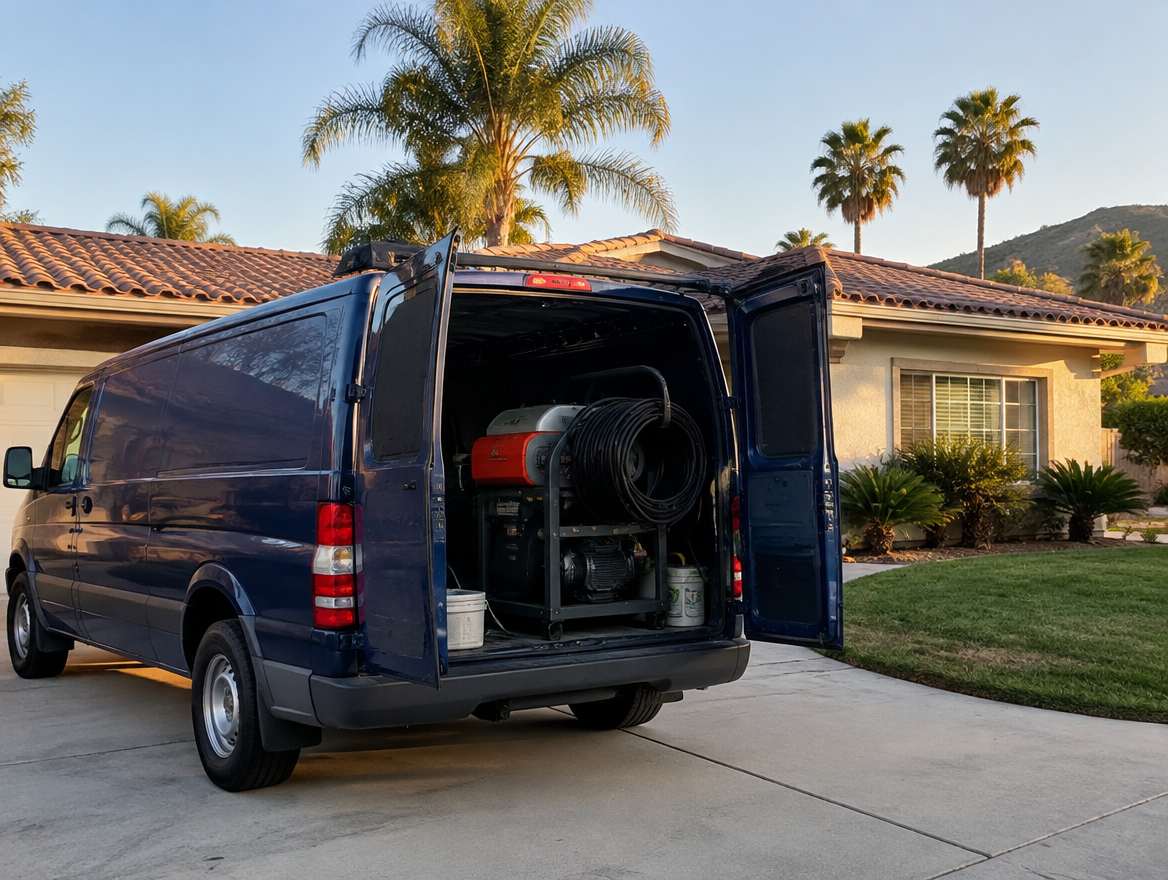
An unmarked plumbing service van parked at a home in Anaheim Hills, California

First conversation

When you call us

We ask what you noticed, when it started, and what the meter test showed. Have both readings handy, plus the age of the house and any earlier leak repairs. This is a preview site: the number shown is a temporary placeholder and the request form is not connected yet, so a submission is not sent anywhere.

We confirm and locate the leak on site before recommending a repair. Be wary of anyone who sells a full repipe over the phone without testing, and ask what a detection visit includes and costs before you book it.

Call (714) 555-0130

Straight answers

Slab leak questions

Before you hire anyone, us included

Ask for the CSLB license number and check it at cslb.ca.gov. Ask whether employees or subcontractors do the work, and get the scope and price in writing before anyone starts.

Anaheim Hills Slab Leak Repair is the business name for this site. Licensing and service details will be published here once confirmed.

Questions to ask before hiring a plumber
How do I know it is a slab leak and not some other leak?
Run the meter test with everything off. If the dial moves, check toilets, irrigation and outdoor lines first. Once those are ruled out, a warm floor, a hiss or damp flooring away from fixtures points under the slab, and a pressure test confirms it.
Is a slab leak an emergency?
It is urgent when water is surfacing, flooring is getting wet or the meter is spinning fast. Close the main and keep it closed except for planned use. A slow leak still needs prompt attention, because water under a slab soaks flooring and soil long before you see it.
Will you have to break up my floor?
Not always. A spot repair needs a small opening in the slab at the leak. A reroute leaves the slab alone and runs new pipe through walls or the attic, so the openings are in drywall instead. We show you where each option opens the house before you choose.
Should I reroute or fix the one spot?
A first leak in sound pipe often suits a spot repair. Repeat leaks, thin copper, or a leak under a cabinet or shower point toward a reroute or repipe. Ask for the pipe's condition and both options in writing.
Can I find the leak myself?
You can confirm a leak and which side it is on with the meter and the water heater inlet valve. Pinpointing it under concrete takes tracing, listening and thermal equipment. Guessing where to cut usually means a bigger opening.
Does homeowners insurance cover slab leaks?
Your policy decides. Many policies treat getting to the pipe, fixing the pipe and the water damage as separate items. Call your insurer, ask about each one, and photograph everything before repairs start.
Does slab leak repair need a permit in Anaheim?
Some plumbing work does and some does not. Check with the City of Anaheim's building division for your specific job, and ask whoever does the work whether they will pull it.

Send us the details

Meter moving with everything off?

Close the main if water is surfacing, photograph the warm or damp spots, and write down your readings. Then check the license of whoever you call at cslb.ca.gov before anyone cuts concrete.

Call (714) 555-0130

Preview site for Anaheim Hills Slab Leak Repair. The phone number shown is a temporary placeholder and the request form is not connected yet.

Describe the suspected leak

Tell us what you noticed, where in the house, and what the meter test showed. Urgent? Call (714) 555-0130.

By sending this form you agree to the privacy policy.

Call Get help