Water heater repair in Brea, CA

Brea water heater repair, from the first drip to the new tank

Tank leaking, pilot out, hot water gone by the second shower. Call us or send the details, and we will tell you whether it needs a part or a new heater.

Preview site for Brea Water Heater Repair. Our phone number is a temporary placeholder and the request form is not connected yet, so a submission does not reach anyone.

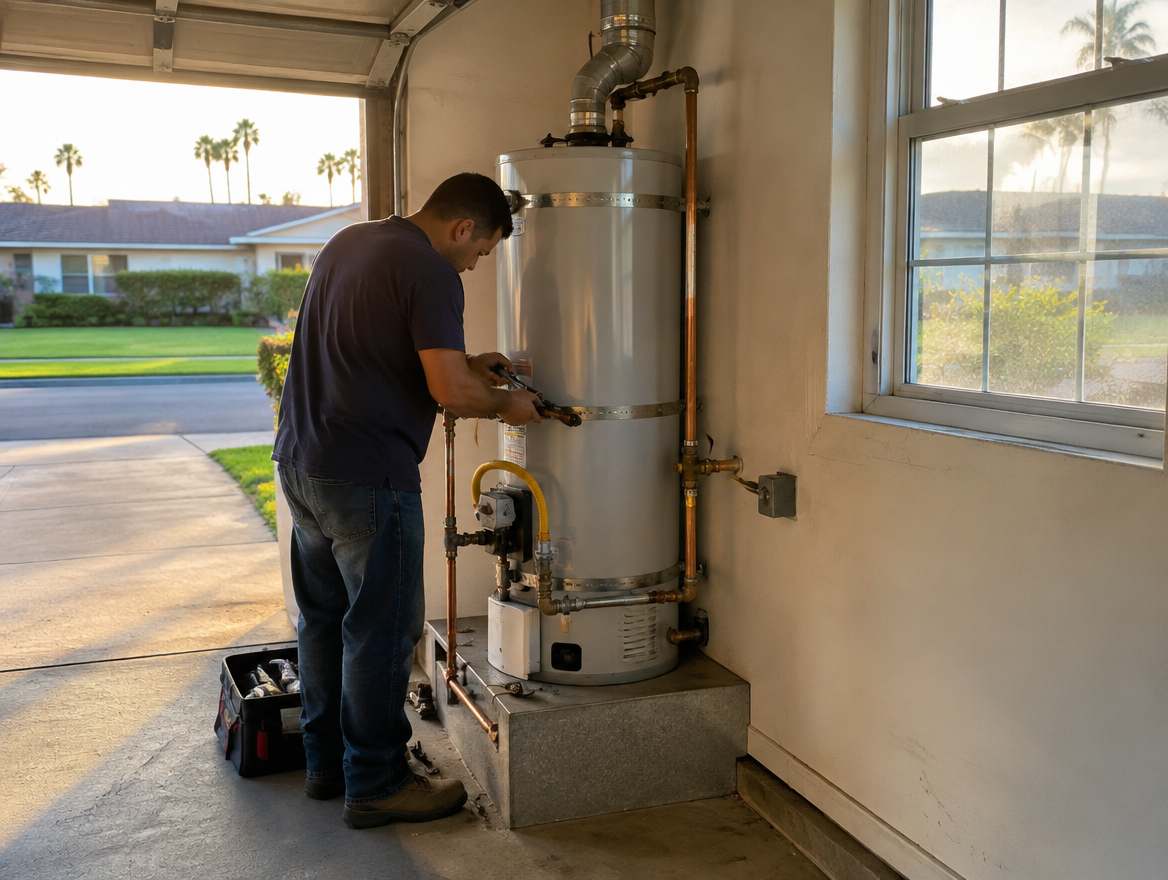
A plumber connecting the water and gas lines on a residential water heater

Why Brea tanks wear out

Brea's hard water works on your tank every day

Most Brea homes run a gas tank heater in the garage or an outside closet. The city's water is hard, so each gallon you heat drops a little mineral on the tank floor. Years of that sediment make the burner run longer, make the tank pop and rumble, and give rust time to work through the steel from the inside.

A failed part is a repair: a thermocouple, a flame sensor, a gas valve, an element, a drain valve or a relief valve. A leak from the tank body means a new heater, because nobody can patch steel that has rusted through.

A California replacement has more to it than a new tank. The heater needs earthquake straps, a correct vent and gas connection, a relief line that ends somewhere safe, and often a city permit. Check with the City of Brea on the permit, and check any plumber's license at cslb.ca.gov before work starts, ours included.
Before it floods

Signs worth a call

One sign on a young heater can wait for a look. Two together, or any of these on an older tank, and we would want to see it this week.

  • Water around the base of the tank, or a wet drain pan
  • Hot water that runs out sooner than it used to
  • Rumbling or popping while the burner runs
  • Rusty water from the hot taps, with clear cold water
  • A pilot that goes out again after you relight it
  • Drips at the end of the relief valve pipe
  • A rotten-egg smell near a gas heater. Leave, then call 911 or SoCalGas from outside.

Leak finder

Where the water comes from tells you what it costs

Match the wet spot to a number. It is a rough read while you wait for us or another licensed plumber, not a diagnosis.

Drawing of a gas tank water heater with six numbered leak spots 1 2 3 4 5 6
Dashed lines mark the two earthquake straps.
  1. At the base, from under the jacket New heater

    The steel tank has rusted through. Nobody can patch that.

    Now: Close the cold-water valve and turn the heater off.

  2. The drain valve near the bottom Repair

    A worn or loose drain valve, often plastic on older tanks.

    Now: Check that it is fully closed. Turn the heater off if it keeps dripping.

  3. The relief valve or its pipe Find the cause

    Pressure or heat running too high, or a worn valve. Never cap it.

    Now: Turn the heater off and keep clear of the pipe outlet.

  4. The fittings on top Repair

    A loose or corroded connector, nipple or shutoff valve.

    Now: Close the cold-water valve and set a pan underneath.

  5. A wet floor with no drip you can find We trace it

    A slow tank leak, a nearby pipe or a drain pan line.

    Now: Dry the area and check again in an hour to see where water returns.

  6. A gas smell at the burner Leave now

    A possible leak at the gas control or the gas line.

    Now: Get everyone out. Call 911 or SoCalGas from outside.

Most tanks leak a little before they leak a lot. Catch the first drip and you are often buying a part instead of a heater.

The first ten minutes

Found water on the floor? Start here.

  1. Smell gas? Leave the house. Don't touch switches or relight anything. Call 911 or SoCalGas from outside.

  2. Close the cold-water valve on the pipe above the tank. If it won't turn or the leak is heavy, shut off the main for the house.

  3. Turn the heater off: gas knob to OFF on a gas tank, or the breaker for an electric or tankless unit.

  4. Keep kids and pets away from the water and the relief pipe. Water from the tank can scald.

  5. Photograph the leak and the label on the tank. Model, serial number, fuel and size tell us most of what we need.

  6. Leave the drain valve alone on a leaking tank. Old ones snap off, and the water inside is hot.

Print the leak card

From call to hot water

How we handle a repair or a new heater

The order a careful job follows. Ask for the price in writing before any work starts, from us or from anyone else you call.

  1. Find the source

    We trace where the water or the fault comes from, test the burner or elements, and read the label for the heater's age, size and fuel.

  2. Repair or replace

    A failed part on a sound tank usually means a repair. A leaking tank, or one late in its life, means replacement. When both make sense, you get both options in writing.

  3. Pick the heater

    Same size and fuel is the simplest swap. A bigger tank, a heat pump unit or tankless can mean new gas line, venting, wiring or a condensate drain, and the quote should list each one.

  4. Permit and removal

    We confirm whether the City of Brea needs a permit for your job and who meets the inspector. Then we drain the old tank and haul it out.

  5. Install to code

    The new heater goes in level, strapped against earthquakes, connected to water and gas or power, vented, with a relief line that ends somewhere safe. A closed water system gets an expansion tank.

  6. Test and walk through

    We check for leaks, check the vent draft and set the temperature. Then we show you the shutoffs and hand over the manufacturer's paperwork.

Typical Brea calls

Four Brea situations, and where each one usually goes

The garage tank is weeping at the base

Picture a tank that has stood for years in the garage of a 1960s tract home. Water at the base, coming from under the jacket, means the steel has failed. You shut it off, we drain it and replace it, with new straps and a fresh look at the vent and gas line.

Hot water quits halfway through the second shower

Hard-water sediment has filled the bottom of the tank, a dip tube has cracked, or a burner or element has stopped pulling its weight. A flush, a part or a better-sized heater could fix it. We check which before we quote.

The pilot keeps going out

On older gas heaters the usual suspects are a worn thermocouple, a dirty flame sensor or lint packed into the air intake. Smell gas at any point and you stop, leave and call 911 or SoCalGas from outside.

You are weighing tankless

Tankless frees up the garage corner. It also tends to need a bigger gas line, new venting and an outlet, and Brea's hard water means descaling on a schedule. We price the whole job, so you compare installs, not boxes.

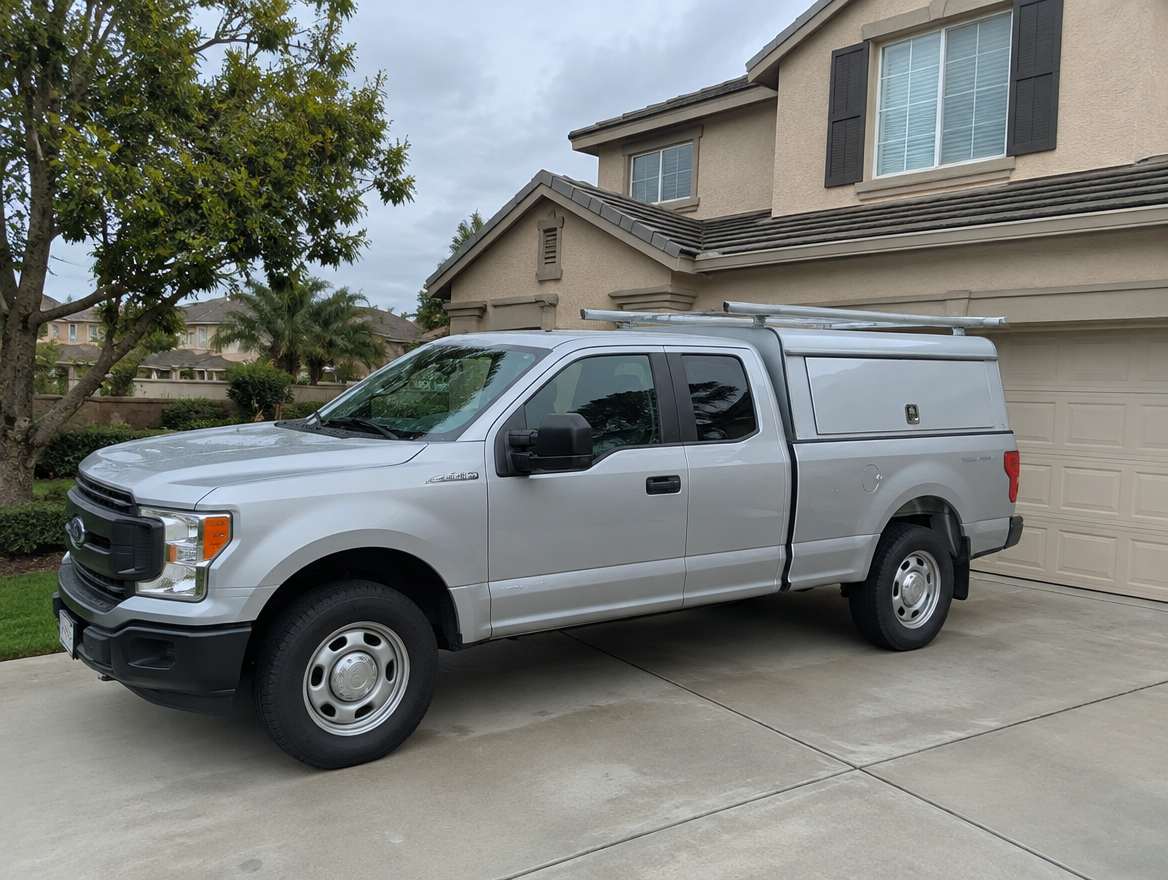
An unmarked plumbing service van parked at a home in Brea, California

Where we work

Brea houses, Brea water

Central Brea is mostly 1950s to 1970s tract homes on concrete slabs, with copper or galvanized water lines. The water heater usually lives in the garage or an outside closet, and its straps, vent and gas connector may date from two heaters ago. The hillside and planned communities to the north and east are newer, and some of them put the heater in an interior closet, where a leak reaches carpet in minutes.

The city runs its own water utility, and the water is hard: local groundwater blended with imported supply. That hardness turns into sediment in tanks and scale in tankless heat exchangers, so flushing and descaling earn their keep here. SoCalGas supplies the gas.

Map shows the area served, not an office location. Open in Google Maps

ZIP codes served: 92821 (Brea), 92823 (Brea).

Also nearby: 92870, 92835, 92831, 91748, 92886, 91765, 90631, 92832, 92806, 92833, 92807, 92865, 92805, 90603, 92801, 91745, 92861, 92887.

  • Ask whether your Brea address is inside a company's service area before you book.
  • Ask whether your replacement needs a City of Brea permit, and check with the city for current requirements.
  • California requires water heaters to be strapped or braced against earthquakes.
  • Check any contractor's license number at cslb.ca.gov.
  • For a gas smell, leave first and call 911 or SoCalGas from outside.

On the phone

What we ask when you call

What you see or hear, whether the heater runs on gas, electric or tankless, where it sits and about how old it is. A photo of the tank label answers half of that before we ask.

Nobody can price a heater they haven't seen, so we won't guess on the phone. We will explain how the visit and the work are priced, and what a replacement quote covers: removal, straps, permit, expansion tank, and any vent or gas line changes.

You can call us or send us the details with the request form. While this is a preview site, the phone number is a temporary placeholder and the form is not connected to a destination yet, so a submission is not sent anywhere.

Brea Water Heater Repair is the business name for this site. Licensing and service details will be published here once confirmed.

Before you hire anyone

How do I check a plumber's license?
Ask for the contractor's CSLB license number and look it up at cslb.ca.gov. Check that the license is active and that its classification covers plumbing work.
Who comes out to do the work?
Ask whether the company's own employees or subcontractors will come out, and get the name of the licensed contractor responsible for the job.
How is the price set?
Get the price in writing before work starts, and ask what it includes: removal of the old tank, straps, permit, expansion tank and any changes to venting or the gas line.
What warranty applies?
Water heaters come with a manufacturer's warranty, and installers may offer their own on labor. Ask for both in writing and keep the paperwork with a photo of the heater's label.
How do I stay safe while I wait?
Keep the water supply and the heater off, keep people away from hot water, and if there is any gas smell, leave and call 911 or SoCalGas from outside.
What if the heater is in an indoor closet?
A leak indoors can damage floors and walls quickly. Shut off the cold-water valve or the main, move belongings out of the way, and ask whether a drain pan and drain line are part of the job.

Questions

What Brea homeowners ask us

Questions to ask any plumber

Should I repair or replace my water heater?

A leaking tank gets replaced, because nobody can patch a tank. A failed thermocouple, gas valve, element or relief valve on a sound tank is usually a repair. When the call is close, ask for both options in writing.

How long does a tank water heater last?

That depends on the model, the water and the upkeep. Hard water shortens tank life when nobody flushes the sediment. The manufacture date hides in the serial number on the label, and we can read it for you from a photo.

Is a tankless water heater worth it in Brea?

For long showers and a cleared garage corner, it can be. A gas tankless unit often needs a bigger gas line and new venting, and Brea's hard water means descaling on a schedule. Compare the full installed price against a new tank, not the box price.

Does a water heater replacement need a permit in Brea?

California cities commonly require one. Check with the City of Brea for current rules, and ask whoever installs it, us included, who pulls the permit and who meets the inspector.

Why does my water heater need straps?

California requires water heaters to be strapped or braced so they can't tip or pull loose in an earthquake and snap the gas and water lines. A new heater should never leave the job without proper straps.

Why is water coming out of the relief valve pipe?

The relief valve opens when tank pressure or temperature runs too high, or when the valve wears out. Don't cap or plug it. Turn the heater off and have someone test the pressure, the thermostat and whether you need an expansion tank.

Should I flush my water heater?

With Brea's hard water, yes, on the schedule in the manual. If an older tank has never been flushed, its drain valve can jam or snap when opened, so have someone look at it first.

Send us the details

What is happening, what kind of heater, where it sits and roughly how old it is. Urgent? Call (714) 555-0131.

By sending this form you agree to the privacy policy.

Call Get help